Biography

 Here are some other interests of mine.

Drawing
Hunting


Skeet Shooting
Golfing
Here are some other interests of mine. 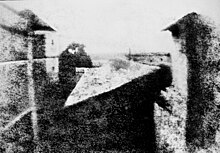 The oldest surviving permanent photograph was created
by Niépce in 1826 or 1827. It
was made on a polished sheet of pewter and a coating of bitumen (a light-sensitive substance),
a naturally occurring petroleum tar, which was dissolved in lavender oil,
applied to the surface of the pewter and allowed to dry before use.
The oldest surviving permanent photograph was created
by Niépce in 1826 or 1827. It
was made on a polished sheet of pewter and a coating of bitumen (a light-sensitive substance),
a naturally occurring petroleum tar, which was dissolved in lavender oil,
applied to the surface of the pewter and allowed to dry before use. 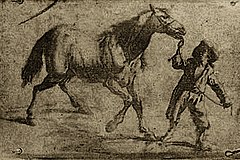 Around the year 1800, Thomas Wedgwood made the first
known attempt to capture an image by means of a light-sensitive substance. He
used a type of rough paper coated with silver nitrate. Although he succeeded in capturing the shadows of the object placed on
the surface in direct sunlight,and even made shadow-copies of paintings on
glass, it was reported in 1802 that the images formed by means of a camera had
been found too faint to produce, therefore, was unsuccessful on his attempt.
Around the year 1800, Thomas Wedgwood made the first
known attempt to capture an image by means of a light-sensitive substance. He
used a type of rough paper coated with silver nitrate. Although he succeeded in capturing the shadows of the object placed on
the surface in direct sunlight,and even made shadow-copies of paintings on
glass, it was reported in 1802 that the images formed by means of a camera had
been found too faint to produce, therefore, was unsuccessful on his attempt. 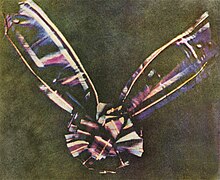 The first ever color photograph was made by a set of three black-and-white photographs taken through red, green, and blue color filters and was visible by using three photos with similar filters. It was taken by Thomas Sutton in 1861 for use in a lecture. Maxwell's method is now most widely known through the early 20th century work of Sergei Prokudin-Gorskii. It was made practical by Hermann Wilhelm Vogul. In 1873, he discovered a way to make emulsions sensitive to the rest of the spectrum, which gradually introduced itself into commercial use in the mid-1880s.